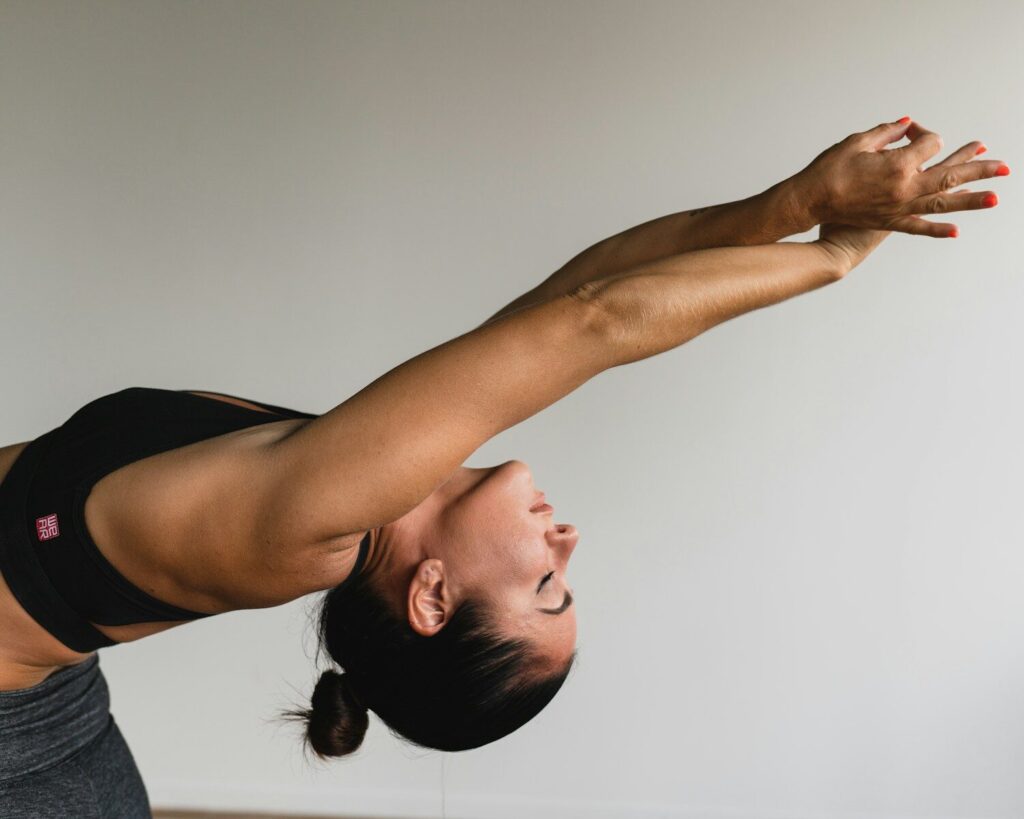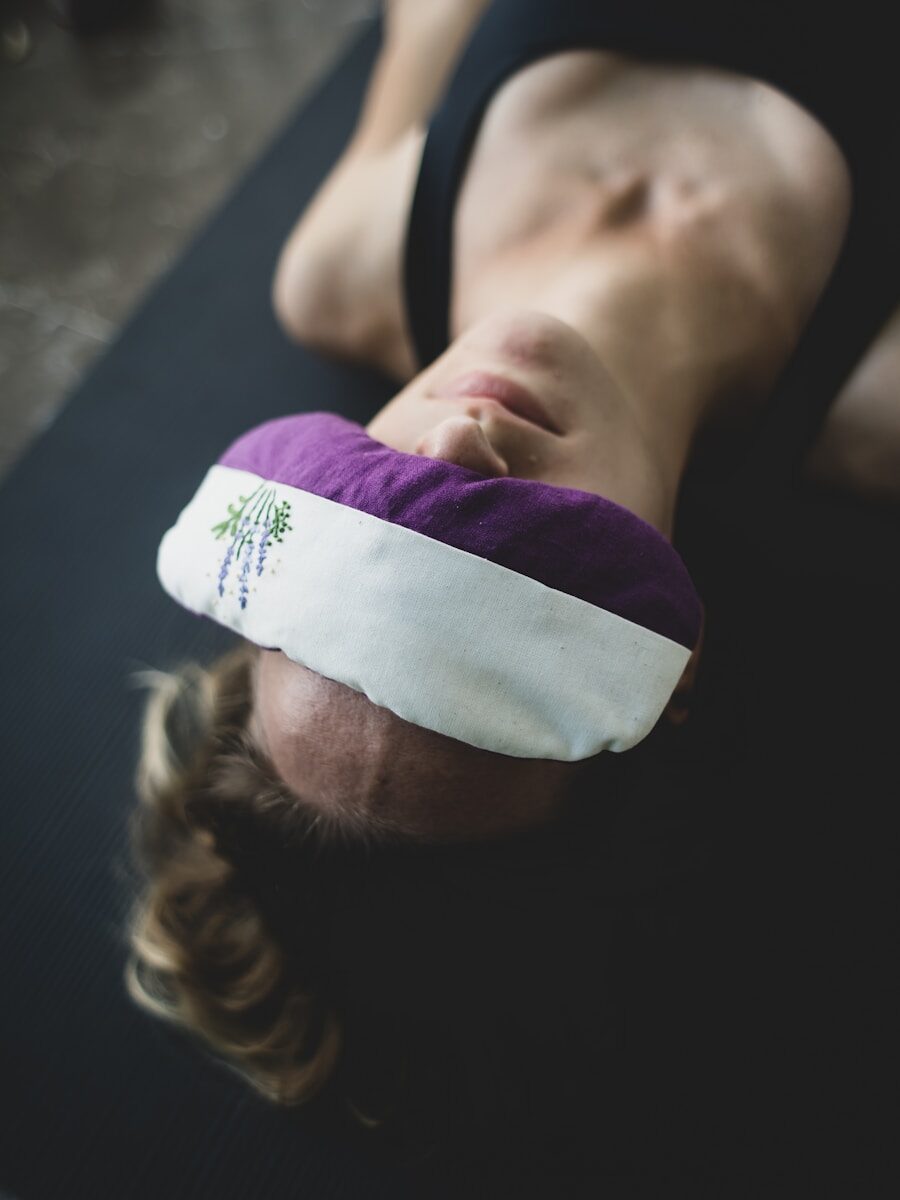
Most people come to yoga for the movement. They leave talking about Yoga Nidra.
If you have never experienced it, Yoga Nidra is difficult to describe. It is not quite sleep. It is not quite meditation. It exists in the space between the two — a state of conscious rest so deep that 45 minutes of practice is said to be equivalent to several hours of sleep.
Here is what it is, how it works, and why so many people consider it the most transformative practice they have ever encountered.
What Is Yoga Nidra?
Yoga Nidra, often translated as yogic sleep, is a guided meditation practice performed lying down. Unlike seated meditation where you are asked to maintain alertness and focus, Yoga Nidra deliberately guides the nervous system toward the threshold between waking and sleeping — a state known in neuroscience as the hypnagogic state.
In this state, the brain shifts from beta waves (alert, active thinking) through alpha (relaxed awareness) and into theta (the dreamlike state just before sleep). It is in theta that the brain becomes deeply receptive, the body releases stored tension, and something that can only be described as a profound reset takes place.
What Happens During a Session?
You lie down in a comfortable position — usually on your back, with eyes closed. The teacher guides you through a series of stages:
- Setting a Sankalpa: a short, personal intention planted at the beginning and end of the practice, when the mind is most receptive.
- Body rotation: awareness moves systematically through different parts of the body in a specific sequence, withdrawing attention from the external world.
- Breath awareness: observation of the natural breath without trying to change it.
- Pairs of opposites: the mind is asked to feel contrasting sensations (heaviness and lightness, warmth and cold), training the nervous system toward neutrality.
- Visualisation: a series of images presented rapidly to the inner mind, stimulating the unconscious.
- Return: a gradual, gentle return to full waking awareness.
The entire experience is effortless. There is nothing to do, nothing to achieve, nothing to get right. You simply follow the voice of the teacher and allow whatever happens to happen.
What Are the Benefits of Yoga Nidra?
The research on Yoga Nidra is growing steadily, and the results are compelling. Regular practice has been associated with:
- significant reduction in stress, anxiety, and symptoms of burnout
- improved sleep quality and reduced insomnia
- lower cortisol levels and a more regulated nervous system
- greater emotional resilience and reduced reactivity
- relief from chronic pain and tension held in the body
- a deepened sense of self-awareness and inner clarity
Many practitioners also report a shift in their relationship with their own thoughts — a growing capacity to observe rather than react, to witness experience without being consumed by it.
Is Yoga Nidra the Same as Sleep?
No — though it can feel remarkably similar. During Yoga Nidra, the brain enters the same theta state associated with the early stages of sleep. But crucially, a thread of conscious awareness remains. You are resting, but you are also present.
This is what makes Yoga Nidra so unusual and so powerful. It gives the nervous system the deep rest it craves while keeping the mind gently awake — allowing old patterns, stored emotions, and accumulated tension to surface and dissolve without overwhelming you.
Some people do fall asleep during Yoga Nidra, especially in the beginning. This is not a failure. It simply means the body needed sleep more than anything else. Over time, as the nervous system becomes more regulated, the capacity to rest in the threshold state deepens.
Do I Need Any Experience to Try Yoga Nidra?
None at all. Yoga Nidra requires no flexibility, no prior meditation experience, and no particular physical ability. You lie still and listen. That is the entire practice.
It is one of the most accessible forms of yoga in existence, and one of the most immediately effective. Most people feel a noticeable shift after their very first session.
Yoga Nidra on Retreat
Experienced in the context of a retreat, Yoga Nidra reaches an entirely different level of depth. Away from the distractions and demands of daily life, with a regulated nervous system already softened by several days of gentle movement and nourishing food, the practice opens in ways that are simply not possible in a one-hour class at the end of a busy day.
At Yoga Soul Trails, Yoga Nidra is woven into every retreat programme — typically in the late afternoon, as the day softens toward evening. Guided by Antoinette and Isabelle, each session is shaped with intention and delivered with the kind of presence that creates genuine safety for deep rest. Antoinette is a certified Yoga Nidra teacher with over 27 years of experience.
If you have never experienced Yoga Nidra, a retreat is the most powerful introduction there is.