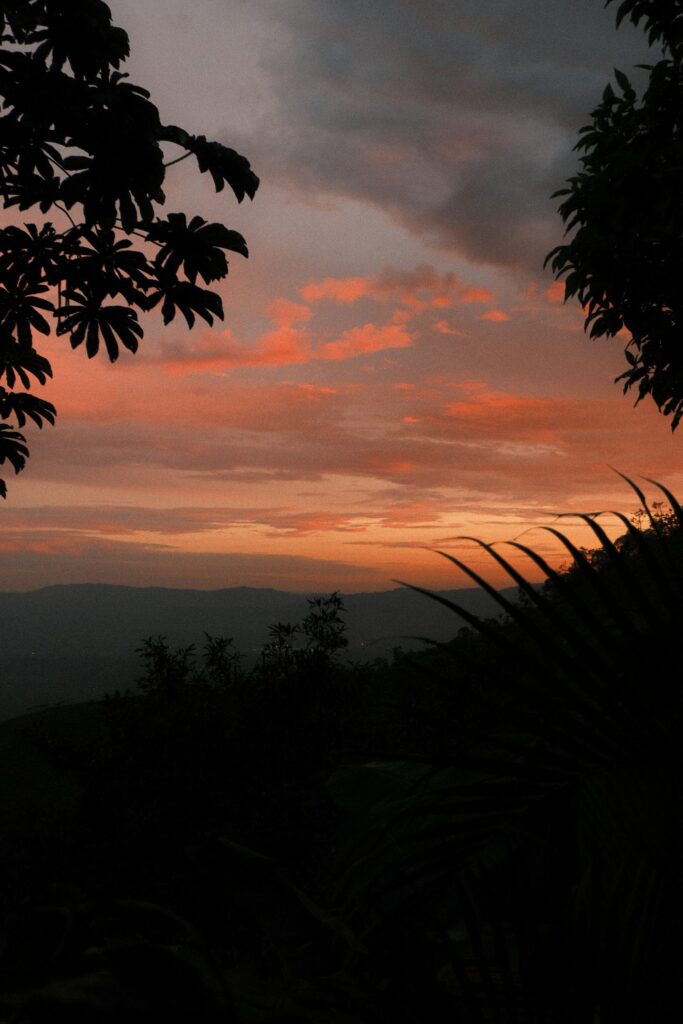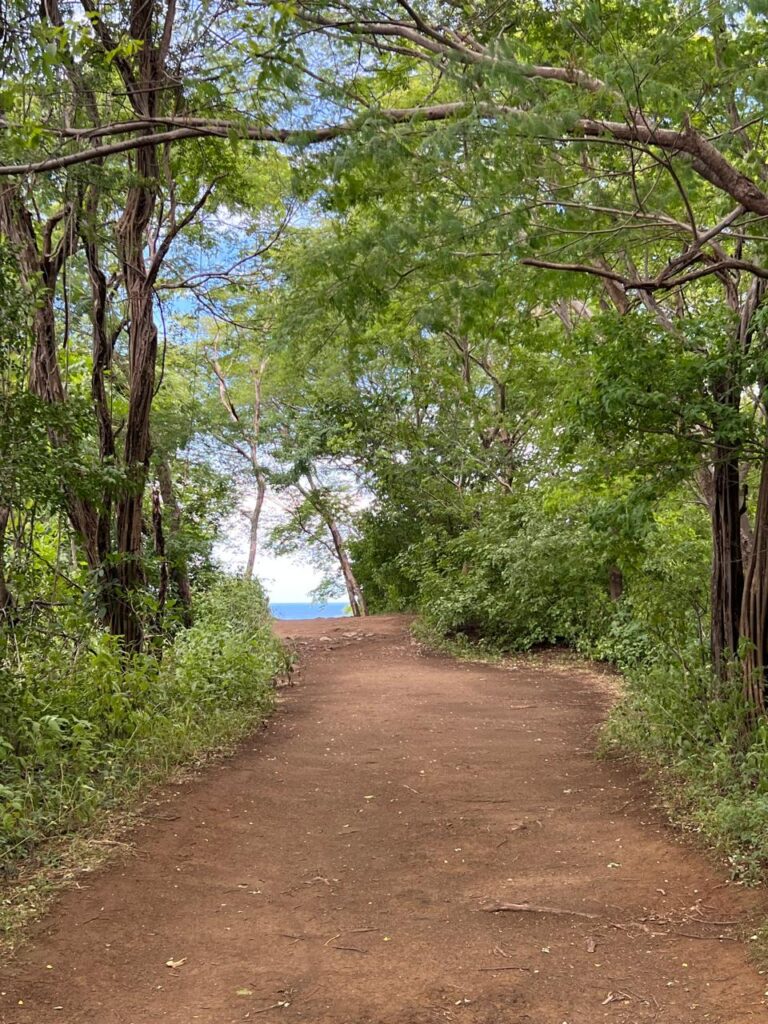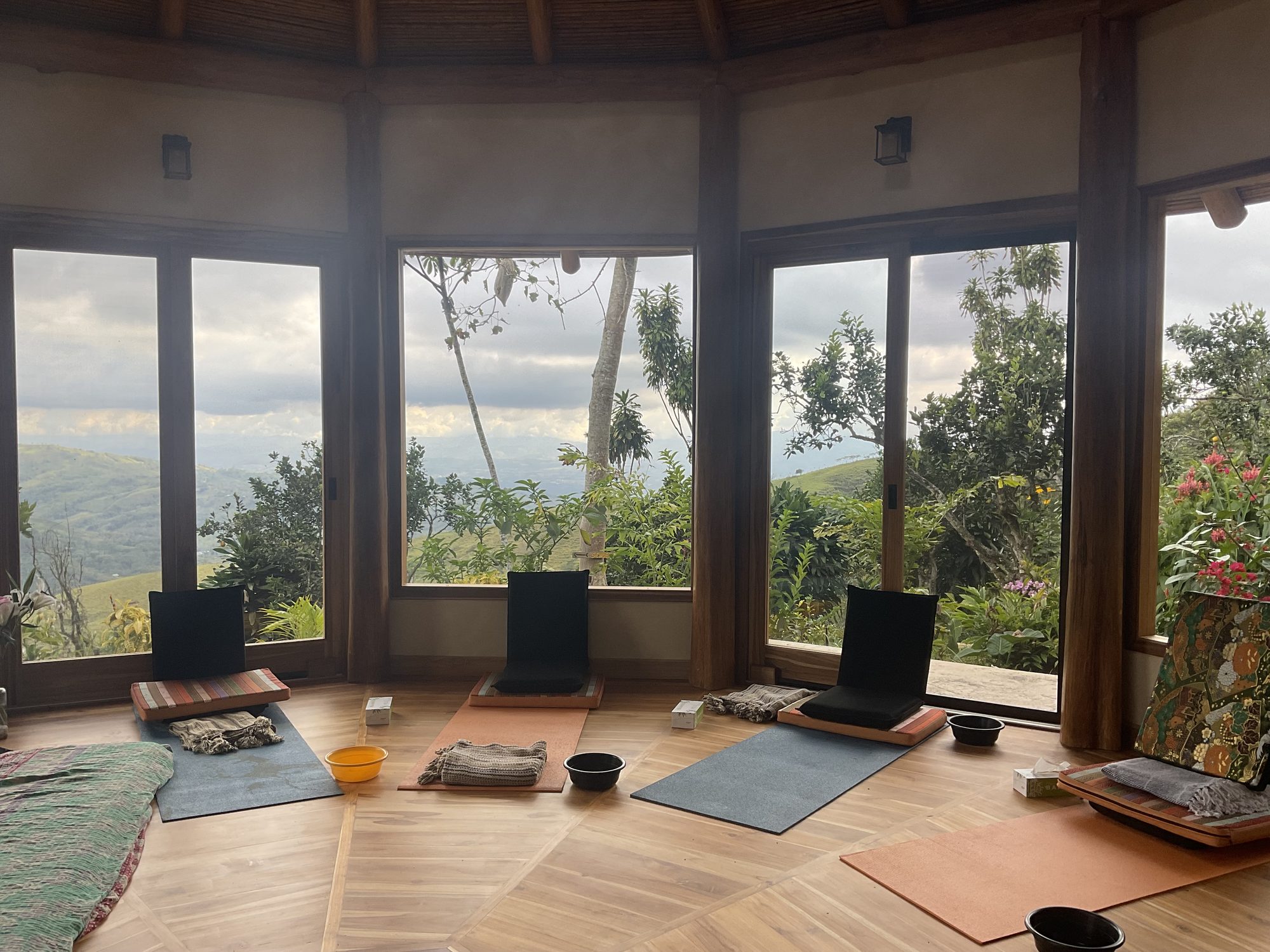
Costa Rica packs rainforest, cloud forest, two coastlines and some of the most biodiverse land on Earth into a country smaller than West Virginia. Add a culture built around pura vida, easy flights from North America and a deep-rooted wellness scene, and it is no surprise it has become one of the world’s favorite places to roll out a yoga mat.
But “a yoga retreat in Costa Rica” can mean almost anything — a surf camp with a morning stretch, a silent meditation intensive, a luxury spa week or a small-group journey through waterfalls and jungle. This guide is the one we wish existed when we started leading retreats here: where to go, when to go, what it really costs, how to choose, and how to arrive ready to make the most of it.
Why Costa Rica is one of the best places in the world for a yoga retreat
Plenty of places are beautiful. Costa Rica is beautiful and remarkably easy to rest in. A few reasons it works so well for a retreat:
- Nature does half the work. The country is home to roughly 5% of the world’s known species on about 0.03% of its land surface, and more than a quarter of its territory is protected as national parks and reserves. You wake to howler monkeys, practice to birdsong and fall asleep to the forest. Your nervous system notices.
- It is close. From many US hubs, San José or Liberia are a direct flight of roughly three to six hours, often in a similar time zone to Central Time. You lose very little of your week to travel and jet lag.
- A culture of slowing down. Pura vida is not a slogan here — it is how people greet each other, say thank you and shrug off small problems. It is contagious, in the best way.
- A Blue Zone in its backyard. The Nicoya Peninsula is one of the world’s five “Blue Zones”, regions where people live measurably longer, healthier lives — thanks to daily movement, strong community, purpose and simple, plant-forward food. That is more or less the recipe of a good retreat.
- Stable and well set up for travelers. Costa Rica has no army, a long democratic tradition and a mature eco-tourism industry. English is widely spoken in tourism, and US dollars are accepted almost everywhere alongside the colón.
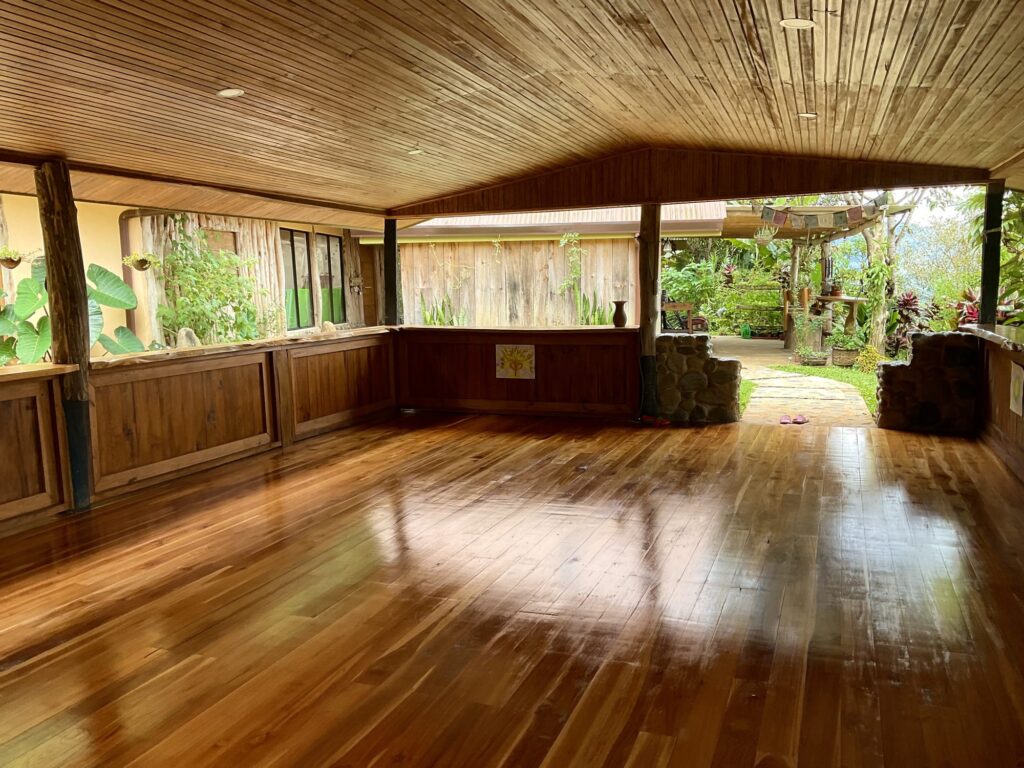
The best regions in Costa Rica for a yoga retreat
Where you go shapes everything: the weather, the pace, the landscapes you will walk through and the kind of people you will meet. Here are the main areas, honestly compared.
| Region | Landscape | Climate | Best for | Access from San José |
|---|---|---|---|---|
| Nicoya Peninsula | Wild Pacific beaches, dry forest | Hot, dry Dec–Apr | Ocean, sunsets, surf | 30-min flight to Tambor or 4–5 h by road + ferry |
| Guanacaste | Beaches, savanna, resorts | Sunniest, driest | Guaranteed sunshine | Fly into Liberia (LIR) |
| Central mountains (Mastatal) | Rainforest, waterfalls, rivers | Warm, humid, green | Nature, hiking, silence | 2–3 h by road |
| Chirripó valley | Mountains, cloud forest, farms | Cooler, fresh | Views, mountain air | 3–4 h by road |
| Southern Pacific coast | Jungle beaches, whales | Lush, rainier | Beach + jungle | 3–3.5 h by road |
| Caribbean coast | Jungle meets turquoise sea | Rain year-round; drier Sep–Oct | Autumn retreats, culture | 4–5 h by road |
| Arenal / Central Valley | Volcano, hot springs, hills | Mild "eternal spring" | Short retreats, hot springs | 1–3 h by road |
Nicoya Peninsula: Santa Teresa, Montezuma, Manzanillo & Nosara
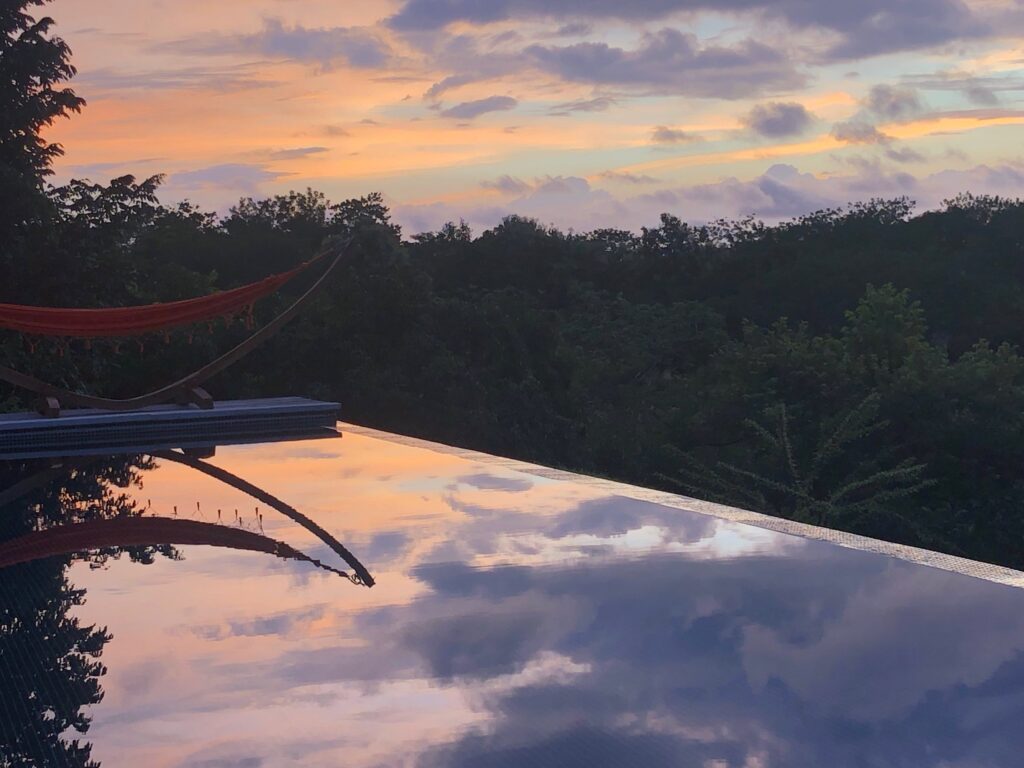
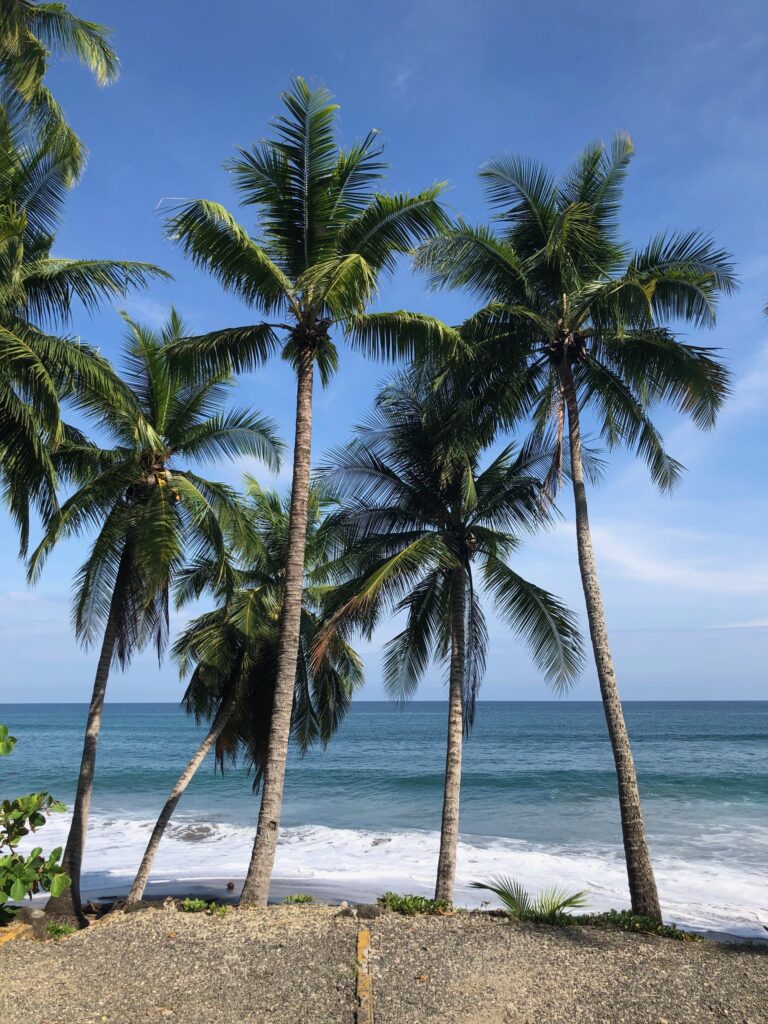
The classic Costa Rica yoga coast. Long, wild Pacific beaches, surf breaks, spectacular sunsets and a dry tropical forest that turns gold in the dry season. Santa Teresa and Nosara are lively and international; the coast between them — around Manzanillo — is far quieter, with almost empty beaches and very little development.
Best for: ocean lovers, sunset yoga, combining practice with surf or snorkeling. Keep in mind: it is hot, roads can be rough, and getting there takes either a ferry, a long drive or a short domestic flight to Tambor.
Guanacaste
The sunniest, driest region in the northwest, with easy access through Liberia airport. Expect resorts, beach towns like Tamarindo and Sámara, and bright, reliable weather from December to April. Great if you want sunshine above all, less so if you are looking for deep jungle.
The central mountains and rainforest: Puriscal & Mastatal
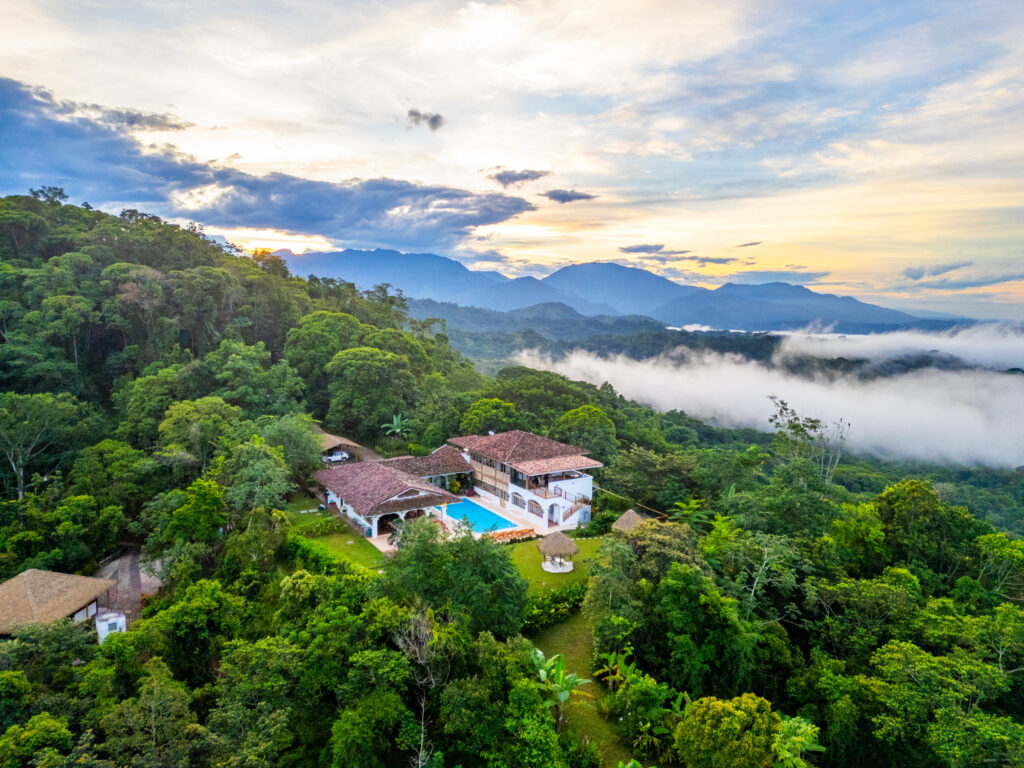
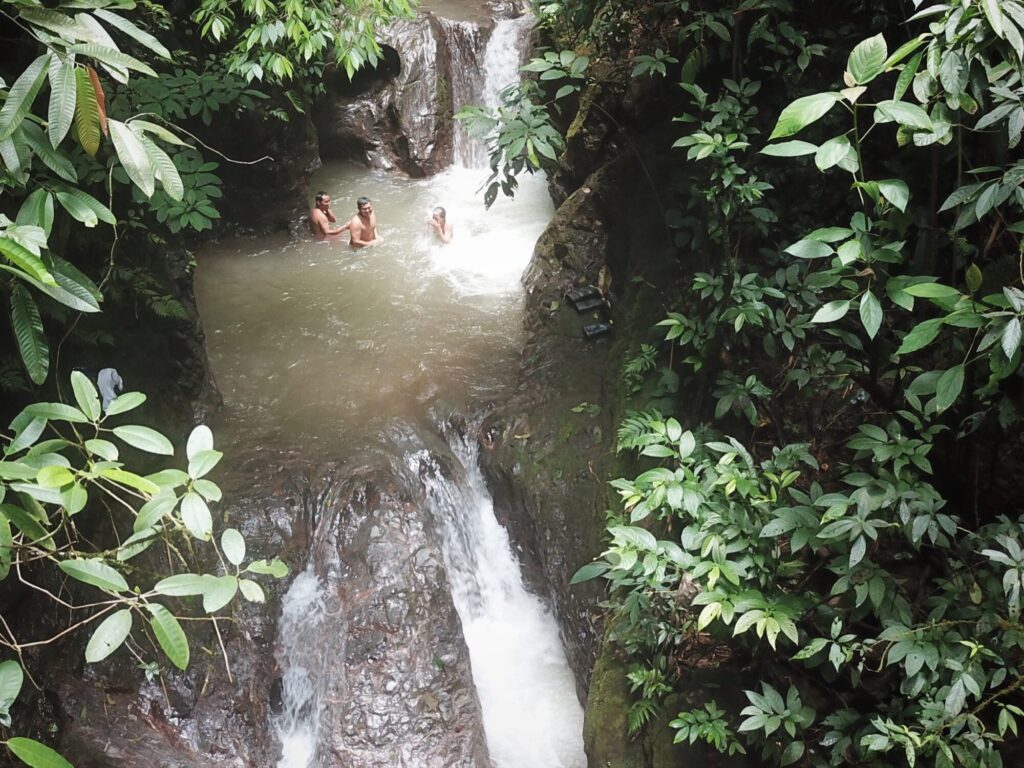
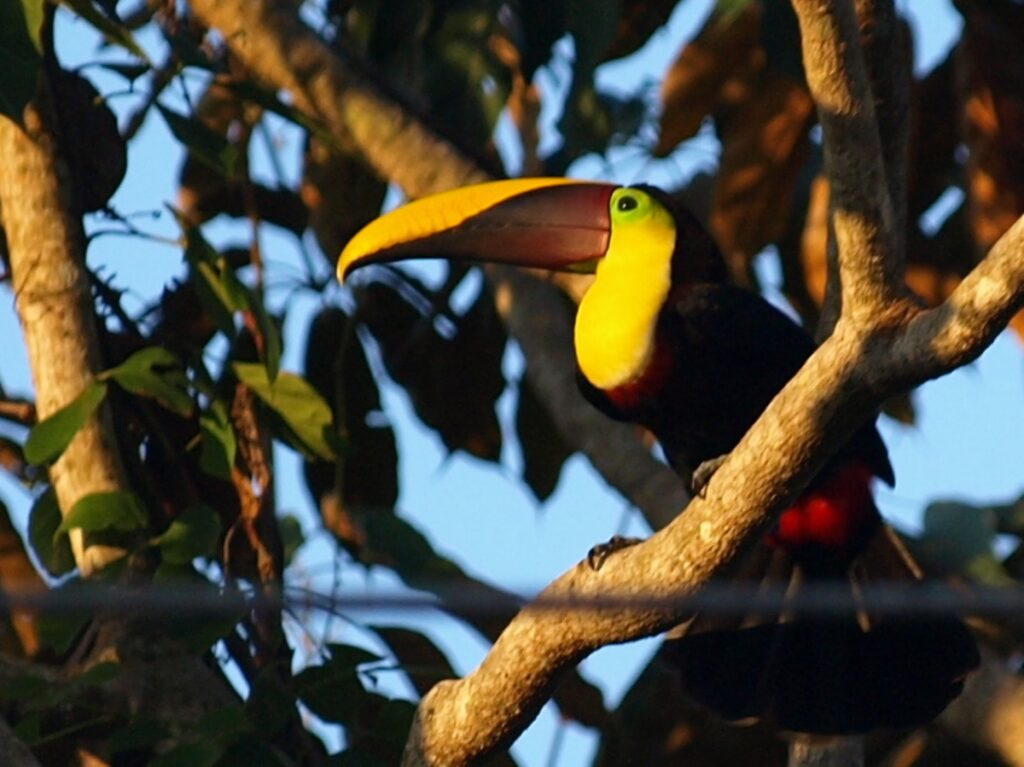
Barely two to three hours from San José, the hills around La Cangreja National Park feel like a different century. There is almost no tourism, which means real silence, starry skies and trails you will share mainly with toucans and white-faced monkeys. Hidden waterfalls, natural river pools and old fincas make it one of the most underrated places in the country for a retreat.
Best for: people who want nature, hiking and quiet over beach life. Keep in mind: the last stretch of road is unpaved, and it is a rainforest — expect afternoon showers in the green season.
The Southern Zone: Uvita, Dominical & the Chirripó valley
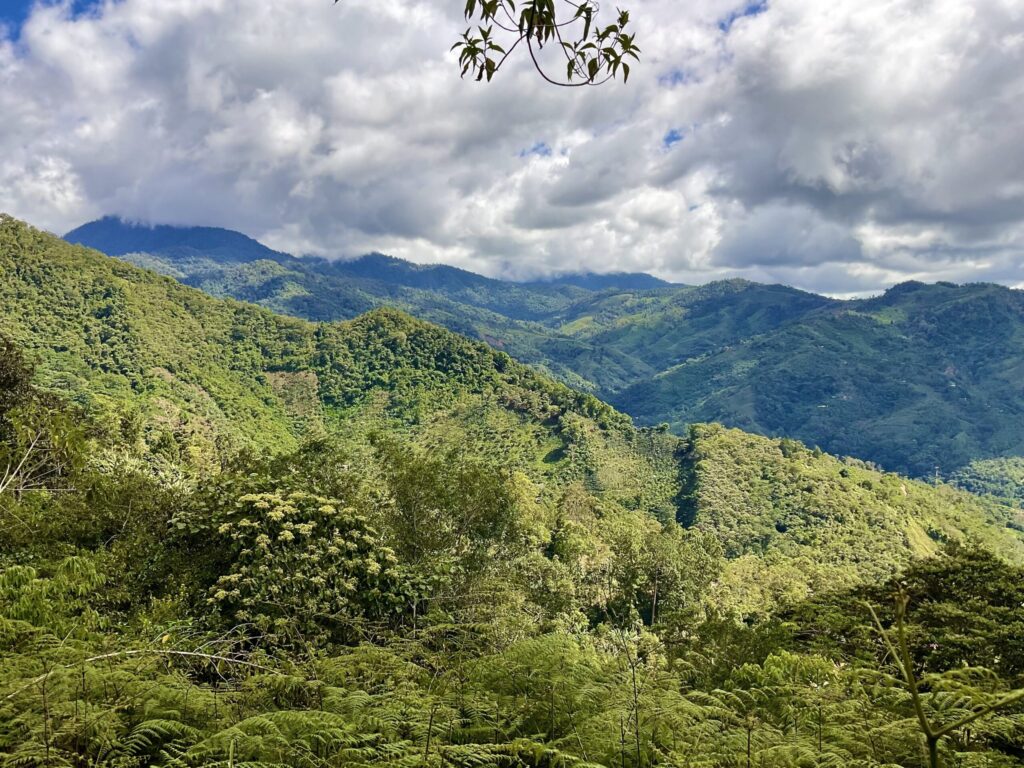
Two very different worlds a short drive apart. On the coast, Uvita and Dominical offer lush beaches and the famous whale-tail sandbar of Marino Ballena National Park. Inland, the valleys below Chirripó — Costa Rica’s highest peak — are green, cool and mountainous, with sweeping views over the Talamanca range, coffee farms and cloud-forest mornings.
Best for: those who prefer fresh mountain air to tropical heat, and anyone who loves big views. Keep in mind: the drive from San José crosses a high mountain pass and takes around three to four hours.
The Caribbean coast: Puerto Viejo & Cahuita
Reggae, Afro-Caribbean food, jungle meeting turquoise water. The Caribbean has its own weather pattern and its own rhythm — often drier in September and October, when the Pacific is at its wettest. A good alternative for an autumn retreat, though the area is farther from both main airports.
Arenal and the Central Valley
Volcano views, hot springs and easy access from San José. Many retreat centers in the Central Valley enjoy a mild “eternal spring” climate. A good option for shorter retreats or if you want to add hot springs to your stay.
When is the best time for a yoga retreat in Costa Rica?
Costa Rica has two seasons rather than four, and they vary by region.
- Dry season (roughly mid-December to April) — sunny, warm and dry on the Pacific side and in the Central Valley. This is high season: the best weather, the busiest beaches and the highest prices. March is usually the hottest and driest month.
- Green season (May to November) — mornings are often bright and clear, with rain building in the afternoon. Everything is lush, waterfalls are at their fullest, and there are far fewer visitors. July and August often bring a drier spell locals call the veranillo (“little summer”). September and October are the wettest months on the Pacific side.
- The Caribbean coast doesn’t really follow this pattern: it can rain at any time of year, but September–October and February–March tend to be drier.
| Months | Pacific & Central Valley | Caribbean | Crowds & prices |
|---|---|---|---|
| Dec – Jan | Rains ending, lush and sunny | Often rainy | High (holidays peak) |
| Feb – Apr | Dry, sunny, hot (peak in March) | Drier in Feb–Mar | High |
| May – Jun | Sunny mornings, afternoon rain | Variable | Low |
| Jul – Aug | "Veranillo" — a drier spell | Variable | Medium (summer holidays) |
| Sep – Oct | Wettest months | Driest period | Lowest |
| Nov | Rains easing, very green | Rainy | Low to medium |
General patterns only — microclimates vary a lot, especially in the mountains.
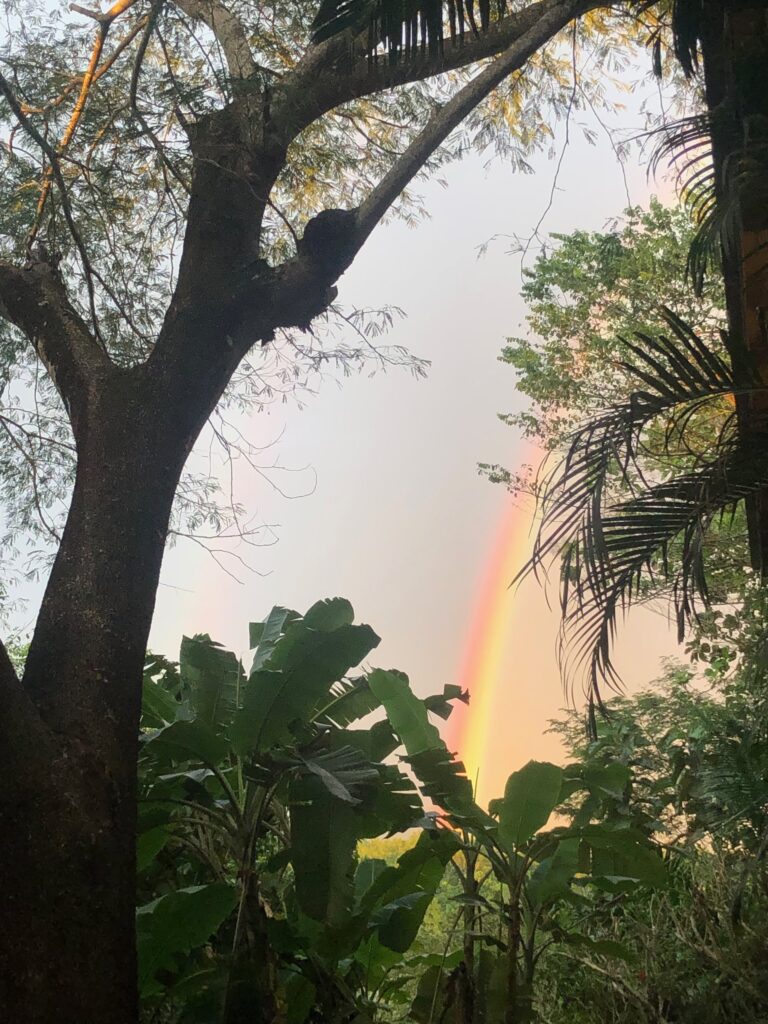
Our honest take: late November to February is the sweet spot for most people. The rains are fading, the forest is still deep green, the rivers are full and waterfalls spectacular, and it is the perfect escape from a northern winter. If you are flexible and don’t mind a daily tropical shower, the green season offers real bargains and a magical, misty atmosphere.
What a day on a yoga retreat in Costa Rica actually looks like
Every retreat has its own rhythm, but most balance practice, nature and plenty of unscheduled rest. Here is a typical day on one of our small-group retreats:
| Time | What happens |
|---|---|
| 06:30 | Morning meditation as the forest wakes up |
| 07:30 | Breakfast: tropical fruit, gallo pinto, local coffee |
| 09:00 | Guided hike, waterfall swim, beach walk or wildlife tour |
| 13:00 | Lunch made from local produce |
| 14:00 | Free time: hammock, pool, nap, journaling, massage |
| 16:30 | Yoga and breathwork at golden hour |
| 19:00 | Dinner, then Yoga Nidra or a sharing circle |
The rhythm matters more than the content. After two or three days of waking with the light, eating well and moving every day, most people notice they sleep more deeply, think more clearly and feel a kind of quiet they had forgotten. That is the moment a retreat starts working.
Yoga styles and levels: do you need to be experienced?
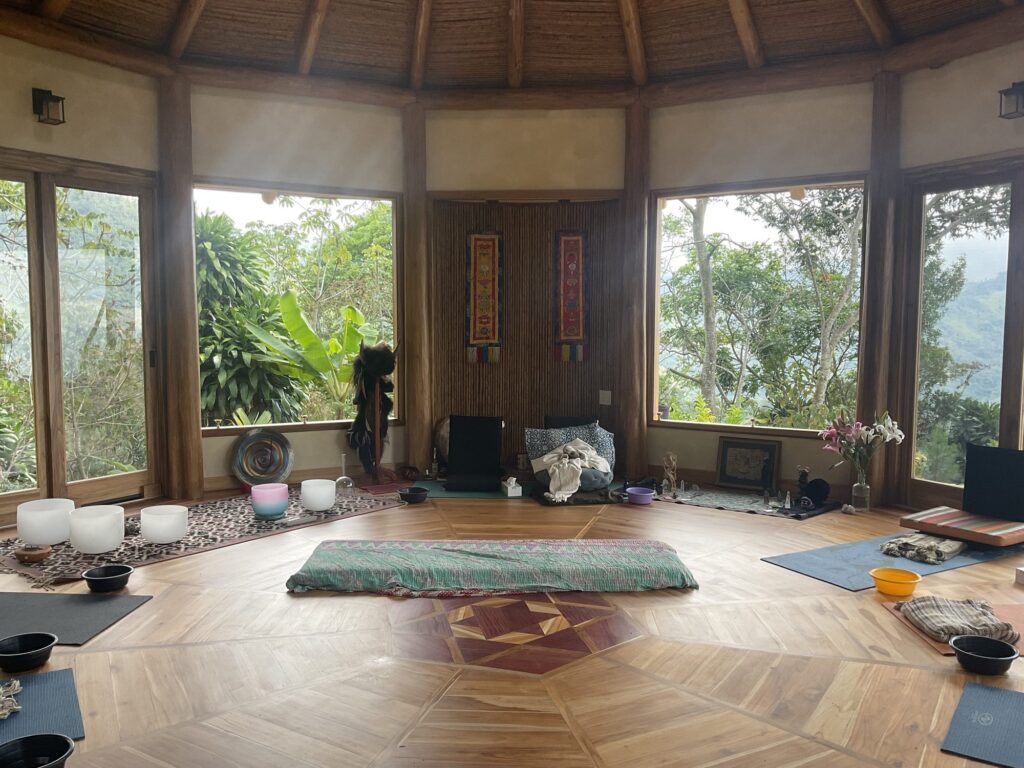
No. The best retreats are built for mixed groups, and most participants are not “advanced” practitioners. What matters is that the style suits you. The ones you will meet most often in Costa Rica:
- Hatha and gentle flow — steady, accessible, a great base for all levels.
- Vinyasa — dynamic and sweaty, often paired with surf retreats.
- Yin and restorative — long, passive holds that calm the nervous system.
- Dru Yoga — flowing, heart-centered movements, breath and relaxation. Gentle on the body, powerful for stress. Read our complete beginner’s guide to Dru Yoga.
- Yoga Nidra — guided deep relaxation, lying down. Often the practice people remember most. Here is what Yoga Nidra is and why it is so powerful.
If you are new, look for words like “all levels”, “gentle” or “restorative”, a small group size (ideally under 12) and teachers who offer variations. Don’t hesitate to message the organizers before booking: how they answer tells you a lot.
How much does a yoga retreat in Costa Rica cost?
Prices vary enormously depending on accommodation, group size, inclusions and season. As a rough guide for a 5–7 night retreat, per person, excluding international flights:
| Type of retreat | Typical price per person | What to expect |
|---|---|---|
| Budget | US$800 – 1,500 | Shared rooms or simple cabins, yoga and some meals, few activities |
| Mid-range / small group | US$1,500 – 3,500 | Comfortable lodge, all meals, daily yoga, guided excursions, small groups |
| Luxury | US$3,500 – 7,000+ | Private villas, spa treatments, gourmet food, private transfers |
Indicative ranges for 5–7 nights, based on retreats currently on the market. High season is usually the most expensive.
What is usually included
Accommodation, daily yoga and meditation, most or all meals, and often some activities. The best retreats spell out inclusions line by line — if a listing is vague, ask.
Costs people often forget
- Getting to the retreat — private transfers, a domestic flight (for example San José–Tambor for the Nicoya Peninsula) or a rental car.
- Travel insurance — strongly recommended, and some retreats require it.
- Optional activities — surf lessons, massages, canopy tours, diving.
- Gratuities for local staff and guides, if you wish.
- The departure tax (around US$29), which is usually already included in your airfare.
- An extra night in San José before or after, which we recommend if your flight lands late.
How to choose the right yoga retreat in Costa Rica
Beyond the photos, here is the checklist we would use ourselves:
- Group size. Eight to twelve people is the sweet spot: intimate enough for real attention, big enough for a lovely group energy.
- Who teaches. Look for real names, real training and real experience — not “our team of instructors”.
- Balance of the program. Is there free time? A retreat with every hour scheduled is a holiday camp, not a retreat.
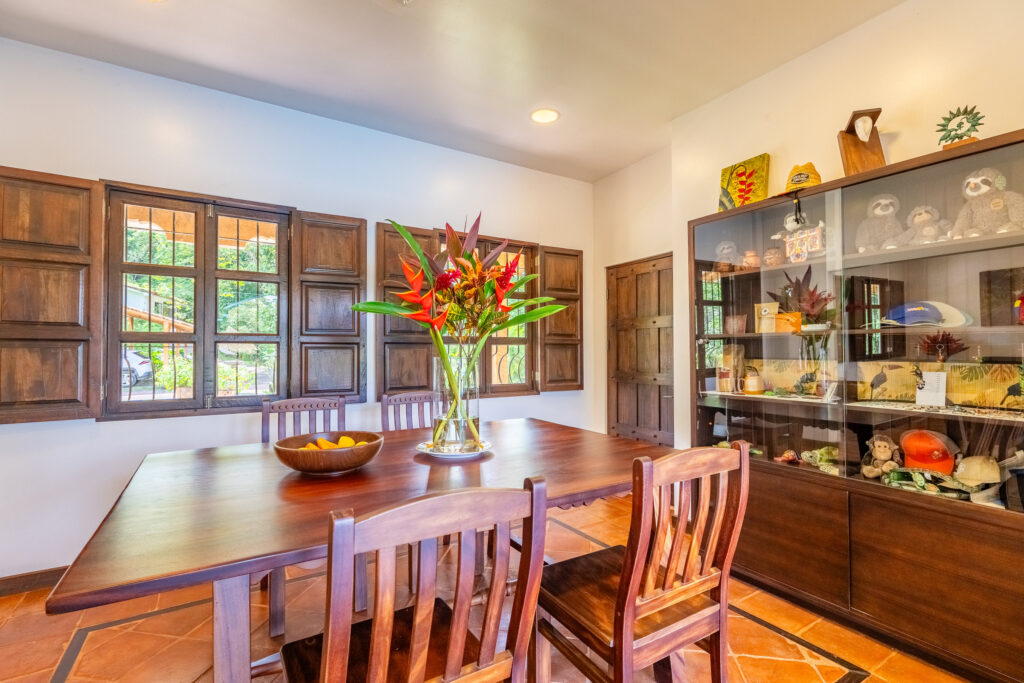
- Accommodation and room sharing. Check whether rooms are private or shared, and whether bathrooms are en-suite.
- Food. Ask how dietary needs are handled. Fresh, local, mostly plant-based food is a good sign.
- Transparency. Clear inclusions, clear cancellation policy, clear payment schedule.
- Reviews from real guests. Specific details (“the silent walk”, “phones locked away”) are more trustworthy than generic praise.
Going for the first time? Our article on how to choose your first yoga retreat — 7 questions to ask before you book goes deeper.
One of my favorite activities was the silent walk around the lush property. I arrived at the retreat a bit scattered and left feeling grounded and smiling, inside and out.
Candace, retreat guest
Getting there and getting around
Which airport?
- San José – Juan Santamaría (SJO), in Alajuela, is the main gateway and the best option for the central mountains, the Southern Zone, the Caribbean and domestic connections.
- Liberia – Daniel Oduber (LIR), in the northwest, is ideal for Guanacaste and the northern Nicoya Peninsula.
Domestic flights
Small planes connect San José to Tambor (for Santa Teresa and Montezuma), Nosara, Quepos and other regions in 30–50 minutes, saving hours of driving. They are usually booked separately from retreats. Baggage limits are strict on these aircraft — commonly around 30 lb (14 kg) for checked luggage plus a small carry-on, though it depends on your fare — so pack light and check your ticket.
Roads and transfers
Distances look short on a map but take longer than expected: mountain roads, river crossings and unpaved final stretches are common. If your retreat offers a group transfer, take it. If you rent a car, choose a 4×4 for rural areas, avoid driving at night and allow plenty of time.
Entry requirements, health and safety
- Visa: citizens of the US, Canada, the UK and the EU can usually enter visa-free as tourists. The length of stay is set by the immigration officer, currently up to 180 days for many nationalities.
- Passport: bring a passport (not a passport card) valid for your whole stay. Many airlines prefer six months of validity, so check yours early.
- Onward ticket: you may be asked to show proof of a return or onward flight.
- Vaccines: no special vaccines are required for most travelers. Proof of yellow fever vaccination applies only if you arrive from certain countries in South America or Africa.
- Water: tap water is drinkable in much of the country, but follow your hosts’ advice in rural areas.
- Sun and bugs: the tropical sun is strong — bring a hat and reef-safe sunscreen — and pack insect repellent for the evenings.
- Insurance: take travel insurance that covers medical care and trip cancellation.
Entry rules can change. Always check the latest information from the Costa Rican immigration authority (Dirección General de Migración y Extranjería) and your own government’s travel advice before you fly.
What to pack for a yoga retreat in Costa Rica
Pack light, breathable and quick-drying. Most retreats provide mats and props — check before you bring your own.
For practice
- 2–3 yoga outfits that dry fast
- A light layer or shawl for meditation
- A travel mat if you prefer your own
- A journal and pen
For nature
- Light hiking shoes with grip
- Water shoes or sandals with straps
- Swimsuit and quick-dry towel
- Lightweight rain jacket
- Small daypack and refillable bottle
For comfort & health
- Reef-safe sunscreen, hat, sunglasses
- Insect repellent
- Headlamp for evening paths
- Any personal medication
- A warm layer for mountain evenings
How to make the most of your retreat
- Put the phone away. On our retreats, we invite the group to lock phones away. It is often the thing guests are most nervous about — and the thing they end up valuing most.
- Don’t try to do everything. Skipping an activity to nap in a hammock is not failing the retreat. It might be the retreat.
- Say yes to the unfamiliar. Silent walks, sharing circles, a soundbath: the practices that feel strange on day one are often the ones you remember.
- Plan your landing. Keep a quiet day between the retreat and your return to work, and choose one or two simple practices to carry home.
Curious about silence? Read what really happens when you stop talking for a day.
Traveling responsibly in Costa Rica
Costa Rica’s beauty is fragile, and a retreat is a good time to tread lightly:
- Choose eco-lodges and retreat centers that use local staff and local food.
- Use reef-safe sunscreen and a refillable water bottle.
- Never feed or touch wildlife, and keep your distance from monkeys and sloths.
- Stay on trails and hire local guides — they will spot animals you would never see alone.
- Support small local businesses: sodas (family-run diners), coffee farms, craftspeople.
Our yoga retreats in Costa Rica
At Yoga Soul Trails, Antoinette and Isabelle lead small groups (8 to 12 people) through some of the most beautiful and least-visited corners of Costa Rica. Every retreat combines daily yoga and meditation, guided walks in nature, nourishing local food and genuine time to rest — all levels welcome.
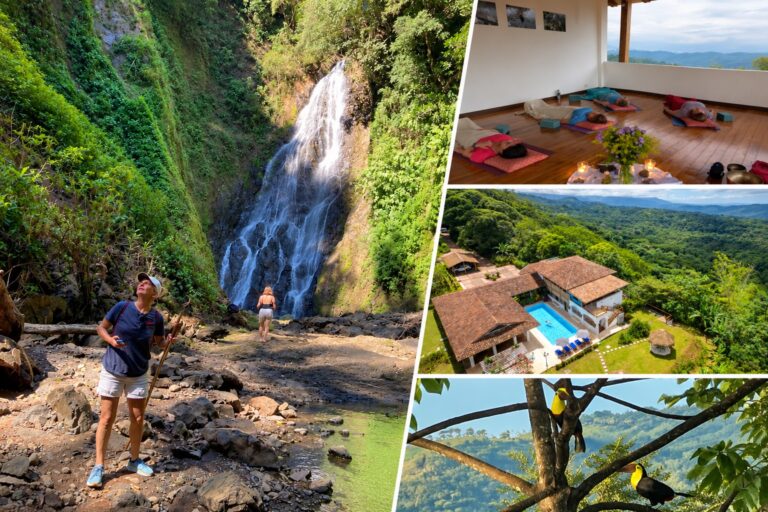 Rainforest & waterfallsHacienda Harmony — Vanilla Forest Reset5 nights · from US$2,600See the retreat →
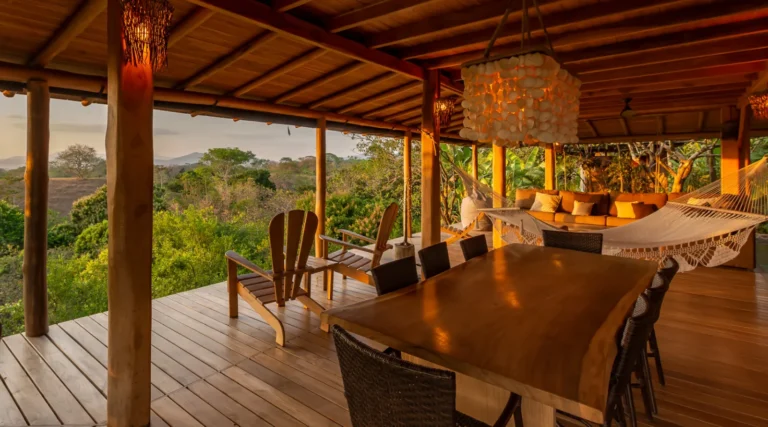 Ocean & junglePacific Bloom — Ocean & Jungle Reset5 nights · from US$3,400See the retreat →
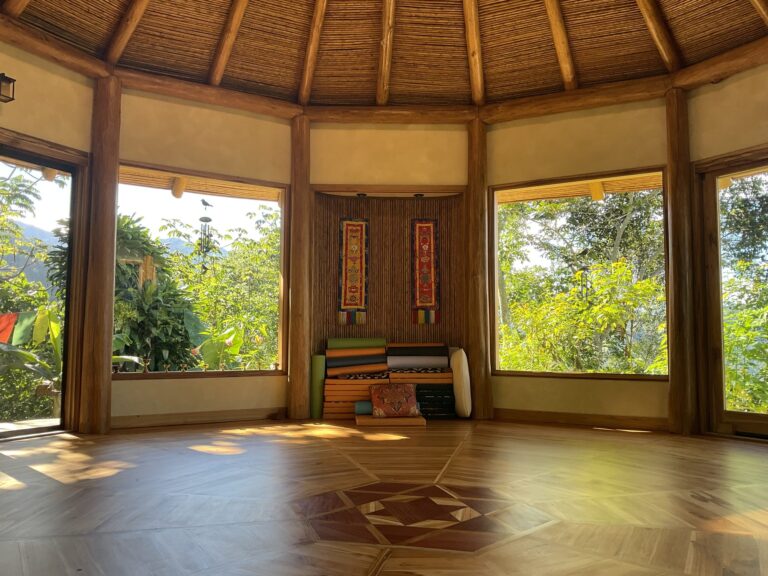 Mountains & cloud forestDharma Vida — Move. Breathe. Feel Alive.5 nights · from US$1,870See the retreat →
Not sure which one fits? Compare all our retreats or write to us — we reply within 24 hours.
Frequently asked questions
Is Costa Rica good for a yoga retreat?
Yes — it is one of the best destinations in the world for one. It combines extraordinary nature (rainforest, beaches, mountains and waterfalls), a relaxed pura vida culture, a well-developed eco-tourism industry and short flights from North America. It is also home to the Nicoya Peninsula, one of the world's five Blue Zones.
What is the best month for a yoga retreat in Costa Rica?
For most people, December to April offers the driest and sunniest weather on the Pacific side and in the Central Valley. Late November to February is a sweet spot: the forest is still lush and waterfalls are full, while the rains fade. September and October are the wettest months on the Pacific side but the driest on the Caribbean coast.
How much does a yoga retreat in Costa Rica cost?
As a rough guide for 5–7 nights, budget retreats cost around US$800–1,500, small-group all-inclusive retreats around US$1,500–3,500 and luxury retreats US$3,500 or more per person, excluding international flights. Always compare what is included — meals, transfers, excursions — rather than the headline price.
Do I need yoga experience to join a retreat?
No. Most retreats in Costa Rica welcome all levels, and many guests are beginners. Look for small groups, words like "all levels" or "gentle", and teachers who offer variations for different bodies and experience.
Where is the best place in Costa Rica for a yoga retreat?
It depends on what you want. The Nicoya Peninsula (Santa Teresa, Nosara, Manzanillo) is best for beaches and sunsets, Guanacaste for guaranteed sunshine, the central mountains around Mastatal for rainforest, waterfalls and silence, and the Chirripó valley for cooler mountain air and big views.
Which airport should I fly into?
San José (SJO) is the main airport and the best choice for the central mountains, the Southern Zone, the Caribbean and domestic flights. Liberia (LIR) is better for Guanacaste and the northern Nicoya Peninsula.
Do I need a visa to visit Costa Rica?
Citizens of the US, Canada, the UK and the EU can usually enter visa-free as tourists, with the length of stay set by the immigration officer. You need a passport valid for your whole stay and may be asked for proof of onward travel. Always check the latest official requirements before you fly.
How long should a yoga retreat be?
Five to seven nights is ideal for a first retreat in Costa Rica: long enough to settle into the rhythm and feel the benefits, short enough to fit around work. Weekend retreats are a good taster but leave little time to land after the journey.
Is Costa Rica safe for solo travelers?
Costa Rica is one of the most stable countries in Latin America and is popular with solo travelers, especially women joining retreats. Use normal precautions in cities, avoid driving at night in rural areas, and choose organized group transfers when they are offered.
What should I pack for a yoga retreat in Costa Rica?
Quick-drying yoga clothes, light hiking shoes, water shoes, a swimsuit, a light rain jacket, reef-safe sunscreen, insect repellent, a hat, a headlamp and a warm layer for mountain evenings. Pack light if you are taking a domestic flight, as baggage limits are strict.
Final thoughts
The right yoga retreat in Costa Rica is less about the most famous beach or the fanciest villa, and more about fit: the landscape that calls you, a group size where you feel seen, teachers you trust and a rhythm that finally lets you exhale. Choose with care, pack light, arrive a day early — and let the jungle do the rest.
Pura vida.